

About
Red Dirt is a Greenville, South Carolina-based residential development and construction company working across the Carolinas. Our work spans land acquisition and horizontal development through residential construction, renovation, adaptive reuse, and community development.
We believe thoughtful development begins with understanding the land, the property and the people who will ultimately call it home. Whether we're transforming an existing house, building a new home or planning an entire community, our approach balances design, environmental responsibility and long-term value.
Meet Our Team
-
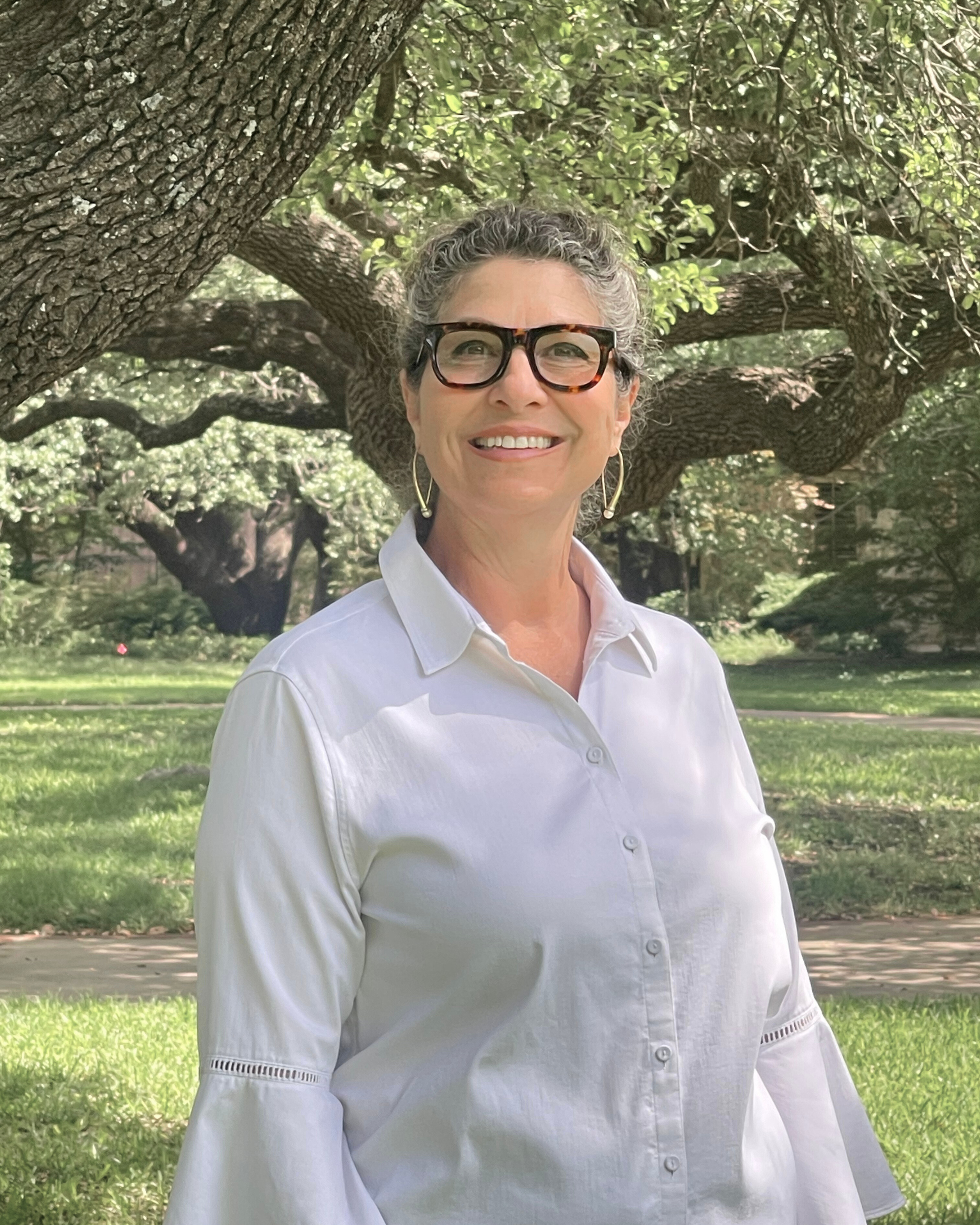
Co-FounderBarb brings over 25 years of experience in multifamily and residential development, grounded in a background in engineering and project management. Her approach combines vision, precision, and practicality—qualities that have guided the successful renovation, lease-up, and management of hundreds of housing units across Texas and South Carolina. A natural builder and problem-solver, Barb is committed to creating homes and communities that are both enduring and people-centered.
-
Co-Founder
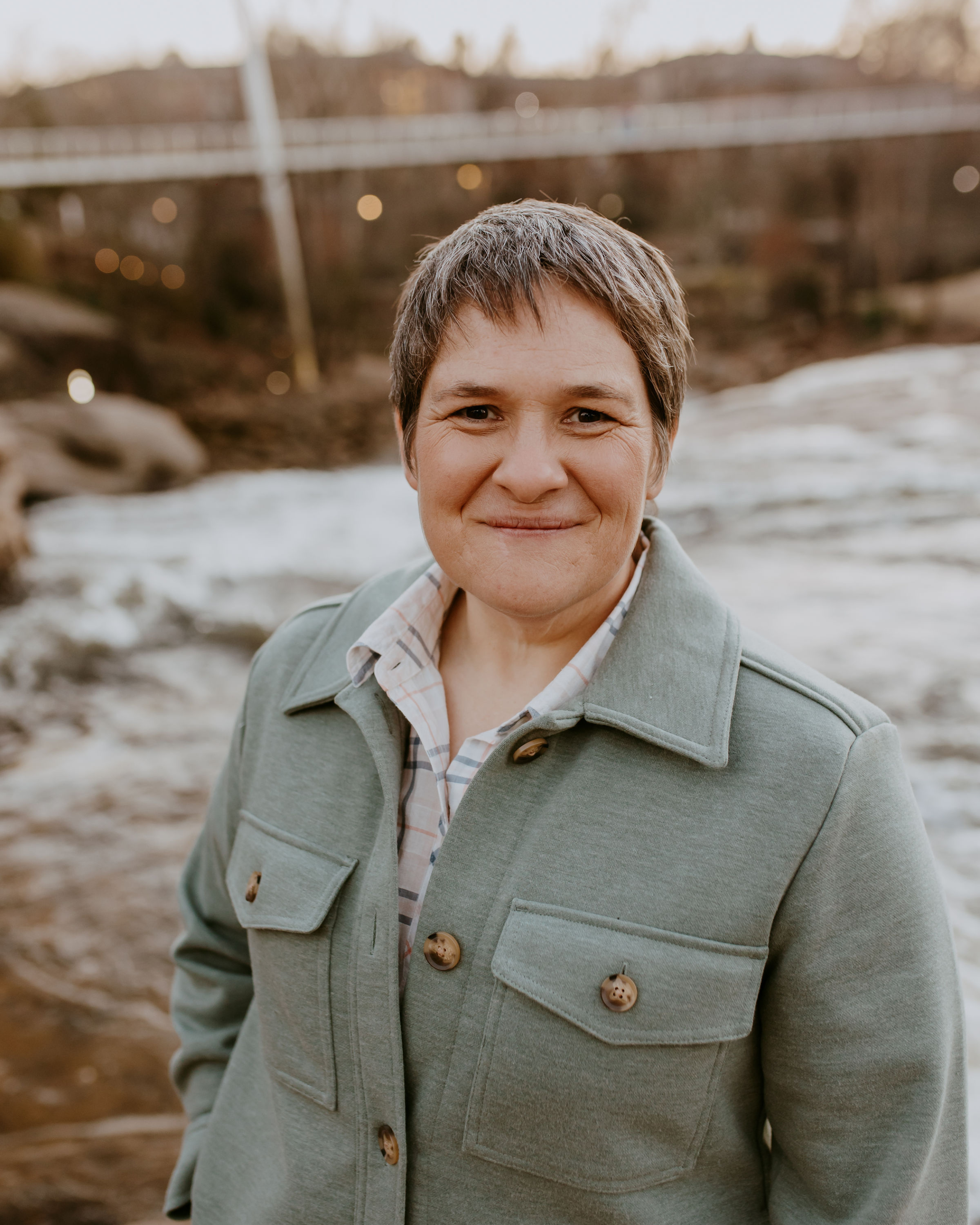
Beth is a creative developer passionate about building spaces that foster connection and honor community. With roots in architectural salvage and a lifelong love for historic homes, she brings vision and hands-on experience to every project. Beth is energized by the whole journey, from early ideation to shaping places that reflect a neighborhood's character. Her work is guided by thoughtful design, environmental responsibility, and a deep respect for story and place.
-
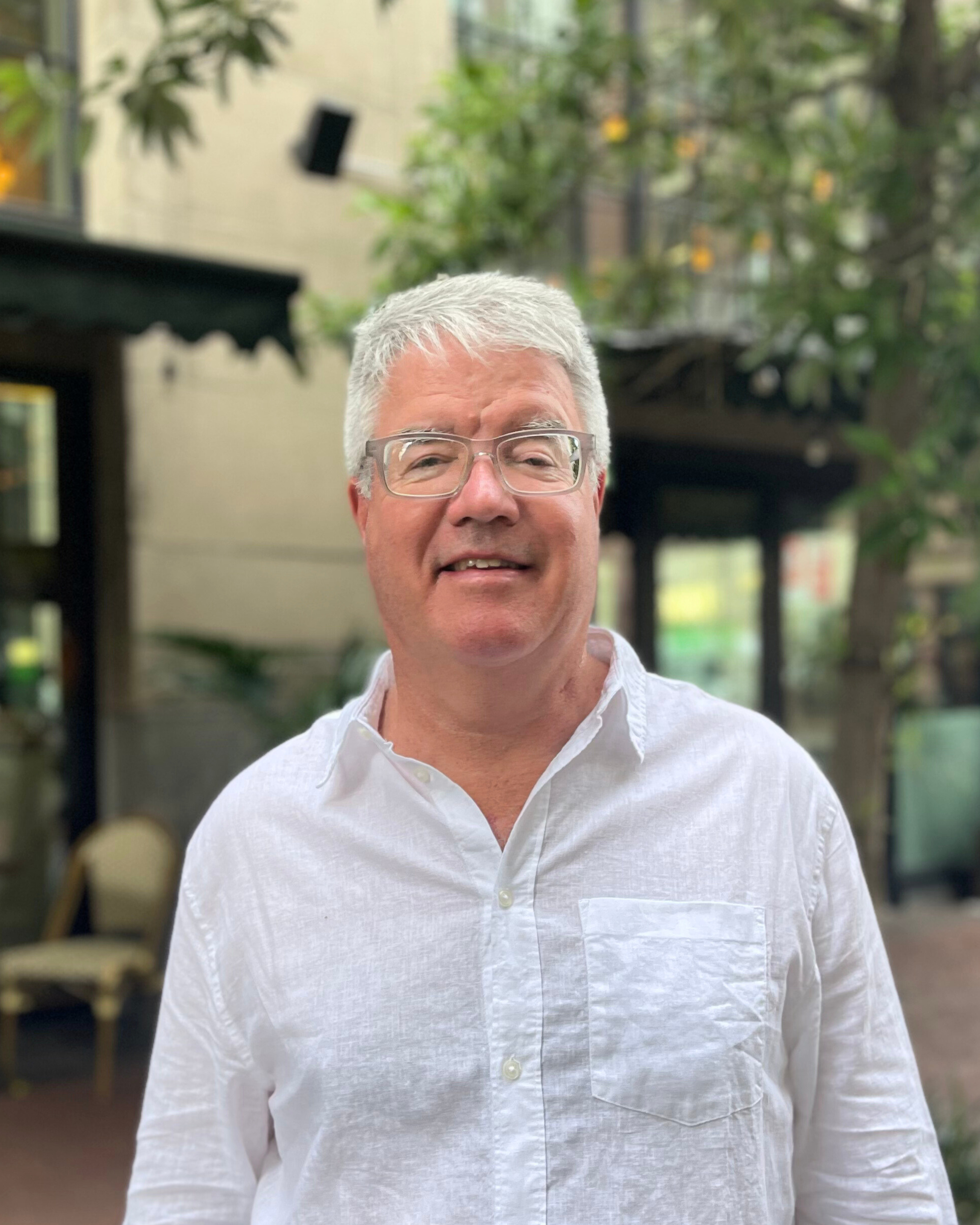
Senior Engineering AdvisorTom is our Senior Engineering Advisor, contributing more than 35 years of experience in industrial construction. A registered Professional Engineer in Texas and a licensed General Contractor in South Carolina, Tom offers a deep well of technical knowledge and a solution-driven mindset. He is known for asking the right questions, offering thoughtful insights, and leading with integrity. His steady presence and collaborative approach make him a trusted advisor in delivering purposeful, high-quality projects.
-
Director of Projects
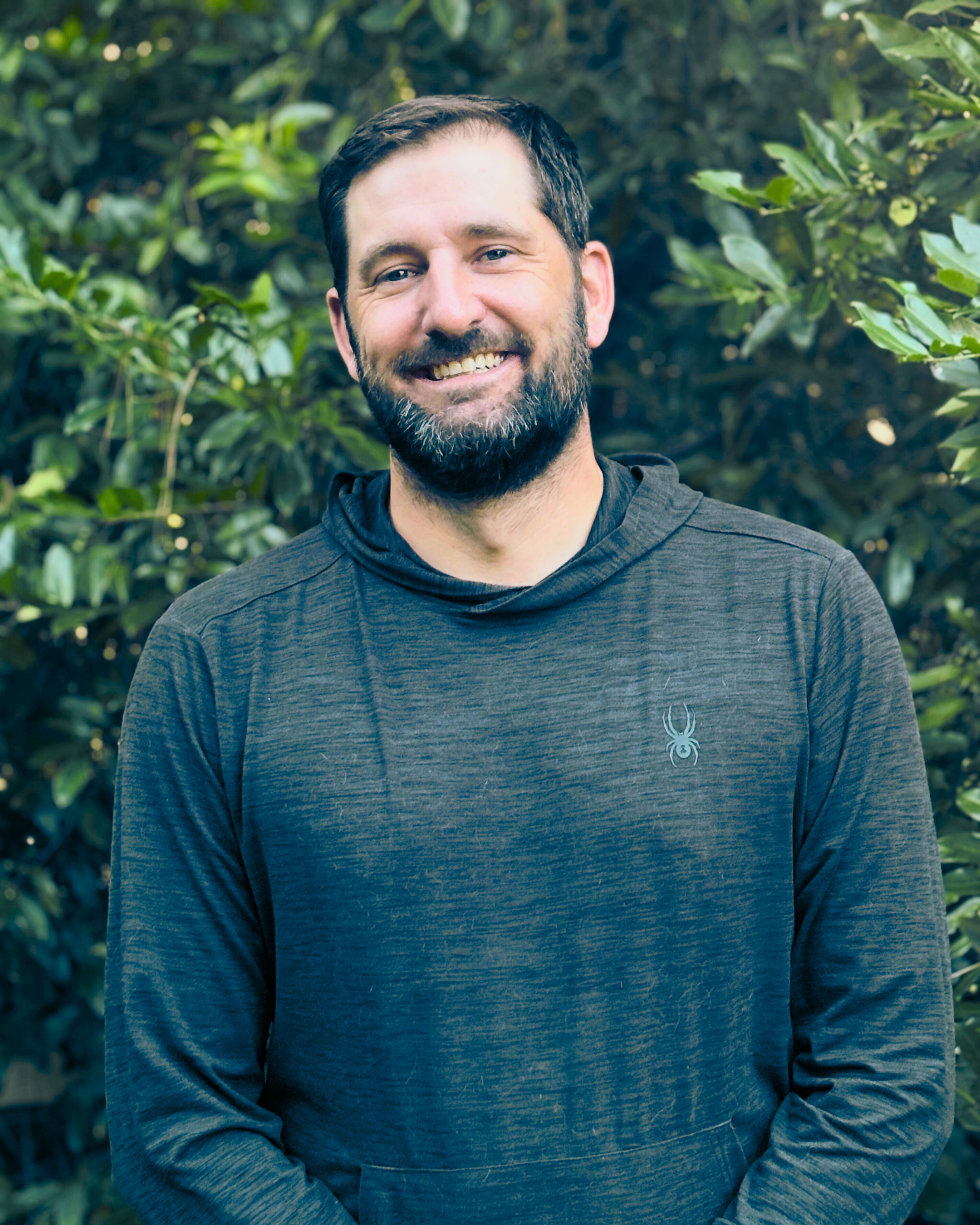
Eric brings a unique blend of senior management expertise from a Fortune 500 company, 13 years of military service, and more than a decade in the construction industry. As Director of Projects, he is known for making decisive, meaningful course corrections while keeping projects on scope and on budget. His dedication to seeing every project through, building strong relationships, and enjoying the process makes him an invaluable part of the Red Dirt team.
-
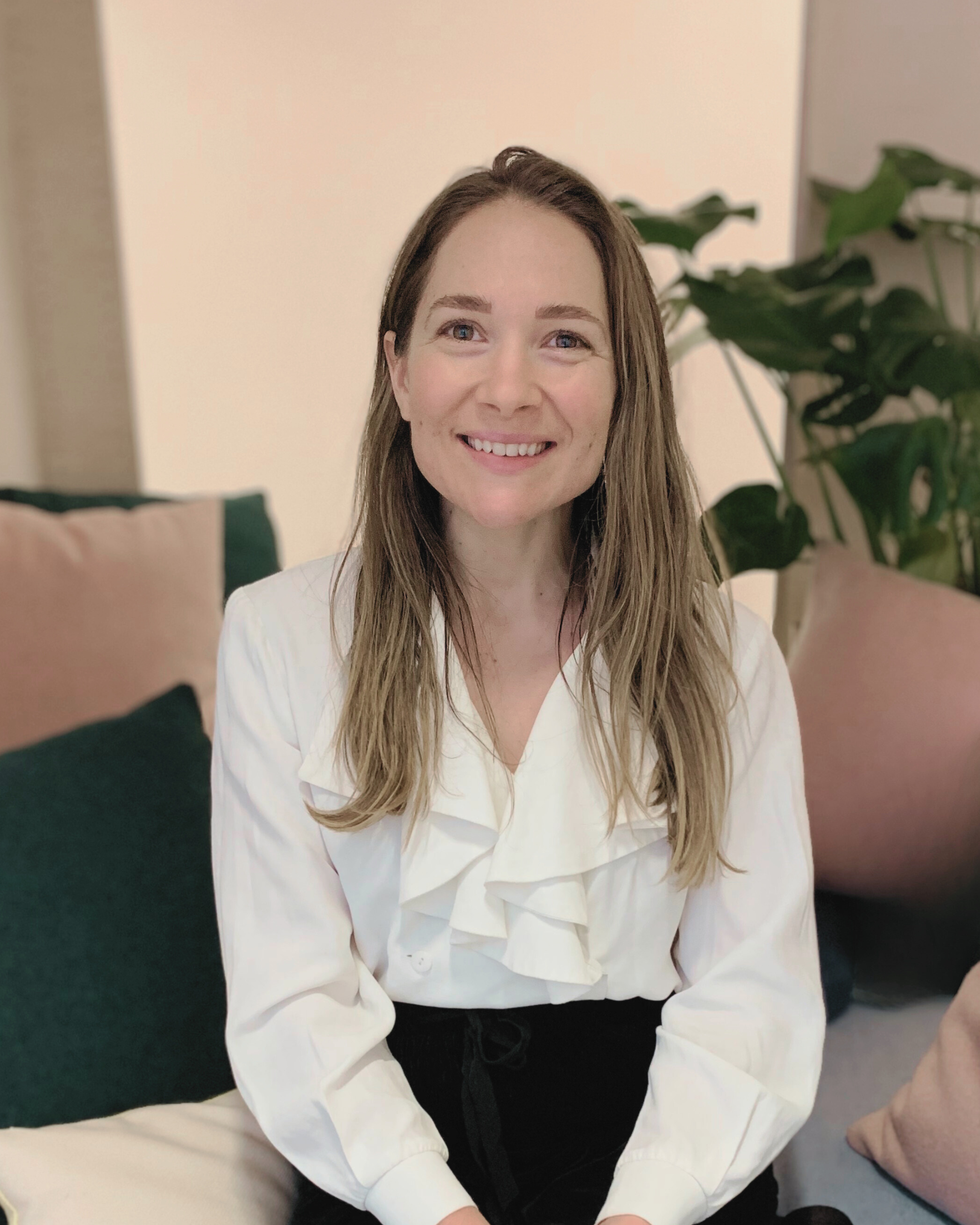
Marketing and Project SpecialistAs our Marketing and Project Specialist, Pamela brings a unique blend of creative vision and operational precision to every aspect of our work. With over a decade of experience supporting global brands across the beauty, fashion, and interior design space, she has a keen eye for detail and a deep understanding of what makes a brand resonate. From designing visual materials and building our website to quoting project components, managing team communications, and overseeing our project management systems, she keeps our operations running smoothly and our story told beautifully. Her experience spans the United States, Finland, and New Zealand, giving her a global perspective and a sharp sense of quality, craft, and clarity.

-
Operations and Administration
Jay supports the foundation of Red Dirt’s operations, bringing nearly a decade of experience across project coordination, data, and workforce analytics. They play a key role in driving clarity through structured reporting and real-time insights, helping teams make confident, informed decisions. Their steady execution and attention to detail help ensure projects move forward with clarity and purpose.

Land Banking
Definition
Land banking is the strategic acquisition of land for future development or conservation. This practice allows for thoughtful, long-term planning aligned with community needs and environmental sustainability. Land banking can serve as a bridge to future development or as a means of preserving natural landscapes for ecological benefit.
Ethos Alignment
Our approach to land banking is rooted in stewardship. We prioritize acquiring land with a vision for either sustainable development or long-term conservation, ensuring that each parcel serves its highest and best use over time.

Single-Family
Definition
This category involves acquiring land, working with zoning and planning authorities, managing all horizontal development processes, contracting builders, and ultimately facilitating lot sales. Our focus is on creating well-planned, community-centric neighborhoods that blend seamlessly with the natural landscape.
Ethos Alignment
We prioritize designs that foster community interaction, protect local ecosystems, and create legacy-driven developments that add long-term value to their surroundings.

Multi-Use
Definition
Multi-use developments incorporate residential, commercial, and community spaces into a single master-planned community. These developments are designed to be self-sufficient, walkable, and environmentally sustainable, offering diverse housing options and fostering local business growth.
Ethos Alignment
We aim to create spaces where people live, work, and interact within vibrant, thoughtfully designed environments. Community green spaces, mixed-use buildings, and sustainable infrastructure are central to every project.

Self-Storage
Definition
Self-storage developments focus on repurposing underutilized or dilapidated properties into clean, modern storage facilities. These projects often serve as community hubs, providing space for local business storage and fostering small business growth.
Ethos Alignment
We believe in adaptive reuse and revitalization. Our self-storage projects are not just functional—they are designed to enhance their surroundings, support local entrepreneurs, and contribute to sustainable urban renewal.

-
An example of thoughtful land banking is a 200-acre plot on the outskirts of a growing metropolitan area purchased to preserve 50% as natural green space. The remaining 100 acres would be slated for a community-based residential development within the next decade, with sustainable infrastructure and eco-friendly design principles at the forefront.
-
A great example would be a 50-lot single-family community developed on 40 acres of land near a regional nature preserve. Streets are designed to minimize environmental impact, native landscaping is used throughout, and 15% of the land is reserved for walking trails and community gardens.
-
An example of a multi-use development created with intention would be a 300-acre tract transformed into a vibrant multi-use community featuring 100 single-family homes, 200 rental units, 50,000 square feet of commercial space, and a central park that serves as the community's focal point. Farmers' markets, community events, and shared workspaces are integrated to encourage interaction and economic growth.
-
An abandoned industrial warehouse converted into a 500-unit self-storage facility would be a great example of how self-storage can model conscious development. Part of the space would be dedicated to small-business storage, pop-up markets, and shared workshop spaces, revitalizing the area and creating opportunities for local vendors.